Wprowadzenie
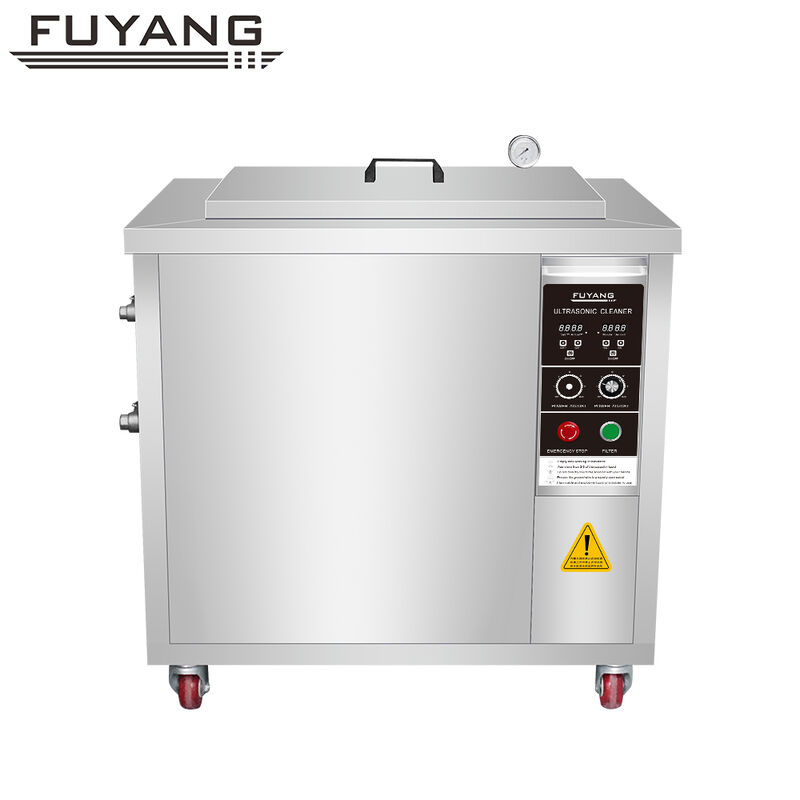
Czyszczyciel ultradźwiękowy to urządzenie sterowane mikroprocesorem, które wykorzystuje fale ultradźwiękowe lub wysokiej częstotliwości dźwiękowe do czyszczenia biżuterii i innych delikatnych przedmiotów.Oczyszczanie ultradźwiękowe opiera się na efekcie kawitacji spowodowanym wysoką częstotliwością sygnałów wibracji fal ultradźwiękowych w płynieMikroskopowe bąbelki, które rozszerzają się i szybko się załamują, powodują kawitację, która tworzy skuteczne działanie czyszczące na powierzchni czyszczonego obiektu.Bąbelki są na tyle małe, że mogą przenikać nawet mikroskopijne szczeliny., czyszcząc je dokładnie i konsekwentnie.
Wysoka wydajność oszczędza rozpuszczalnik do czyszczenia, energię cieplną, miejsce pracy i pracę!
Dziesięć zestawów wbudowanych potężnych przetworników może wzmocnić moc ultradźwiękową i zapewnić doskonały wynik czyszczenia.w zależności od ilości i stanu przedmiotów, które mają być oczyszczone, aby wybrać czas cyklu pracyW rezultacie jest wygodniejsza i bardziej wydajna niż myjka ręczna, czyścielnie parowe, czyścielnie wodne pod wysokim ciśnieniem lub inne maszyny.
Zaawansowany zbiornik czyszczący ze szczotkowanej stali nierdzewnej, aby uniknąć plam wody z korozji i zachować zawsze nowy wygląd zbiornika.
(W porównaniu do tego, zwykłe zbiorniki czyszczące ze stali nierdzewnej po długim czasie użytkowania będą miały na powierzchni brudne żółte plamy wody korozyjnej i trudno je usunąć.
P1.Jak uzyskać najlepsze czyszczenie ultradźwiękowe?
W przypadku czyszczenia ultradźwiękowego istnieje wiele ważnych czynników.Najważniejszą decyzją jest wybór odpowiedniego środka czyszczącego, czyszczenie w odpowiedniej temperaturze przez odpowiednią ilość czasu oraz wybór odpowiedniej wielkości i rodzaju czyszcza ultradźwiękowego.
P2.Czy czyszczenie ultradźwiękowe może uszkodzić moje części?
Z pewnymi ostrożnościami, ultradźwiękowe czyszczenie jest uważane za bezpieczne dla większości części.proces czyszczenia jest bezpieczny, ponieważ energia jest zlokalizowana na poziomie mikroskopowymNajważniejszym punktem ostrożności jest wybór roztworu czyszczącego.
P3.Dlaczego do czyszczenia potrzebny jest specjalny roztwór?
Roztwór ten ma na celu zerwanie więzi pomiędzy częściami a ich glebą.Sama woda nie ma właściwości czyszczącychGłównym celem działania ultradźwiękowego (kawitacji) jest pomoc roztworom w wykonywaniu jego pracy.Roztwór do czyszczenia ultradźwiękowego zawiera różne składniki zaprojektowane w celu optymalizacji procesu czyszczenia ultradźwiękowegoNa przykład zwiększone poziomy kawitacji wynikają z zmniejszonego napięcia powierzchniowego płynu.
P4.Jakiego roztworu do czyszczenia należy użyć?
Nowoczesne ultradźwiękowe środki czyszczące składają się z różnych detergentów, środków nawilżających i innych składników reaktywnych.przeznaczone do specjalnych zastosowańWłaściwy wybór jest kluczowy dla akceptowalnej aktywności czyszczenia i w celu uniknięcia niepożądanej reakcji z czyszczoną częścią.
P5. Jakiego roztworu czyszczącego nie powinienem używać?
Nie należy nigdy stosować substancji łatwopalnych ani roztworów o niskim punkcie zapłonu.i może powodować niebezpieczne warunki w przypadku płynów łatwopalnych. kwasów, wybielacza i produktów ubocznych wybielacza należy w ogóle unikać, ale można je stosować przy pośrednim czyszczeniu w odpowiednim pojemniku do pośredniego czyszczenia, takim jak szklanka, oraz przy odpowiedniej pielęgnacji.Kwas i wybielacz uszkodzą zbiorniki ze stali nierdzewnej, i/lub tworzyć warunki niebezpieczne.


 Twoja wiadomość musi mieć od 20 do 3000 znaków!